







Understanding Blue Light

Blue light is a part of the visible light spectrum, with a short wavelength and high energy. It is naturally emitted by the sun but also produced by artificial sources like LED lights and digital screens. While natural blue light plays a role in regulating our circadian rhythm (sleep-wake cycle), excessive exposure to artificial blue light — especially during nighttime — can confuse our internal body clock, leading to poor sleep quality and eye strain.
Benefits of Wearing Blue Light Glasses

- Reduction in digital eye strain
- Prevention of headaches caused by prolonged screen exposure
- Better sleep by limiting blue light exposure before bedtime
- Protection from long-term retinal damage
Scientific Backing: The Reality Check
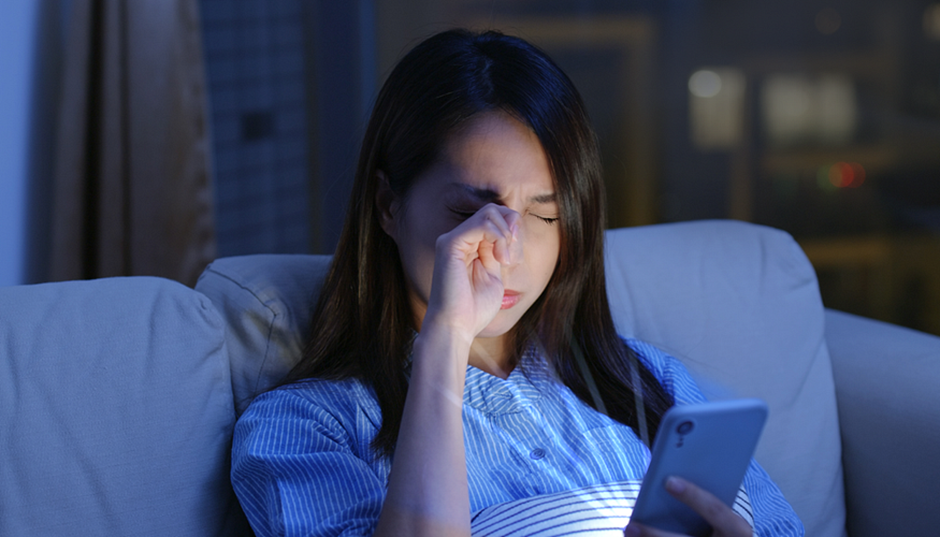
Research into the effectiveness of blue light glasses is still ongoing. Some studies suggest that these glasses may reduce the subjective feeling of eye strain. Others show little to no difference in actual symptoms or eye performance.
Get Saloni Bhatia’s stories in your inbox
Join Medium for free to get updates from this writer.
Subscribe
So, while blue light glasses may not be a miracle cure, they can offer mild relief — especially when used in combination with healthy screen habits.
Expert Opinions Matter

Most eye care professionals agree on one thing: screen-related discomfort is real, but it’s not just about blue light. Factors like screen glare, prolonged focus, improper lighting, and dry eyes also contribute. That said, blue light glasses can help some users, especially those sensitive to light or those who use screens extensively in dim environments.
What Are the Alternatives?

If you’re not ready to invest in blue light glasses just yet, you can try:
- Activating night mode on your devices
- Following the 20–20–20 rule (every 20 minutes, look at something 20 feet away for 20 seconds)
- Using anti-glare screen protectors
- Ensuring good room lighting and correct posture
Should You Try Blue Light Glasses?
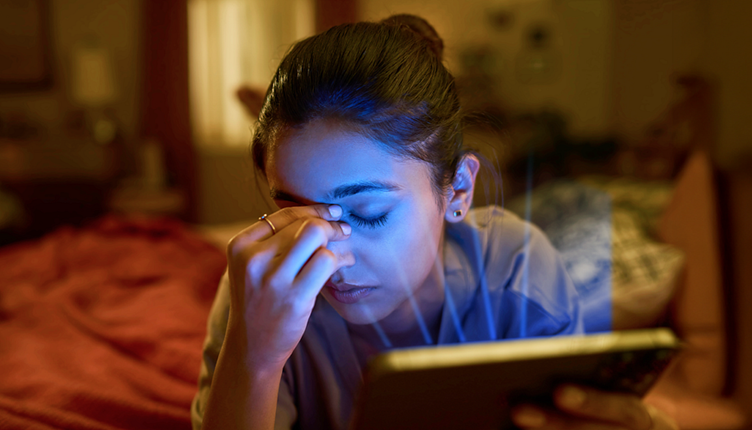
If you spend more than 6–8 hours a day in front of screens and experience eye discomfort, blue light glasses might be worth trying. They’re especially useful for people working in dim light, using screens late at night, or dealing with frequent headaches or dry eyes.
Conclusion: A Small Change for Big Comfort

While blue light glasses might not be a magic fix backed by bulletproof science, they do offer practical benefits for many users — especially when combined with better screen hygiene. For those dealing with digital eye strain, they’re a worthwhile investment in comfort and eye care.